

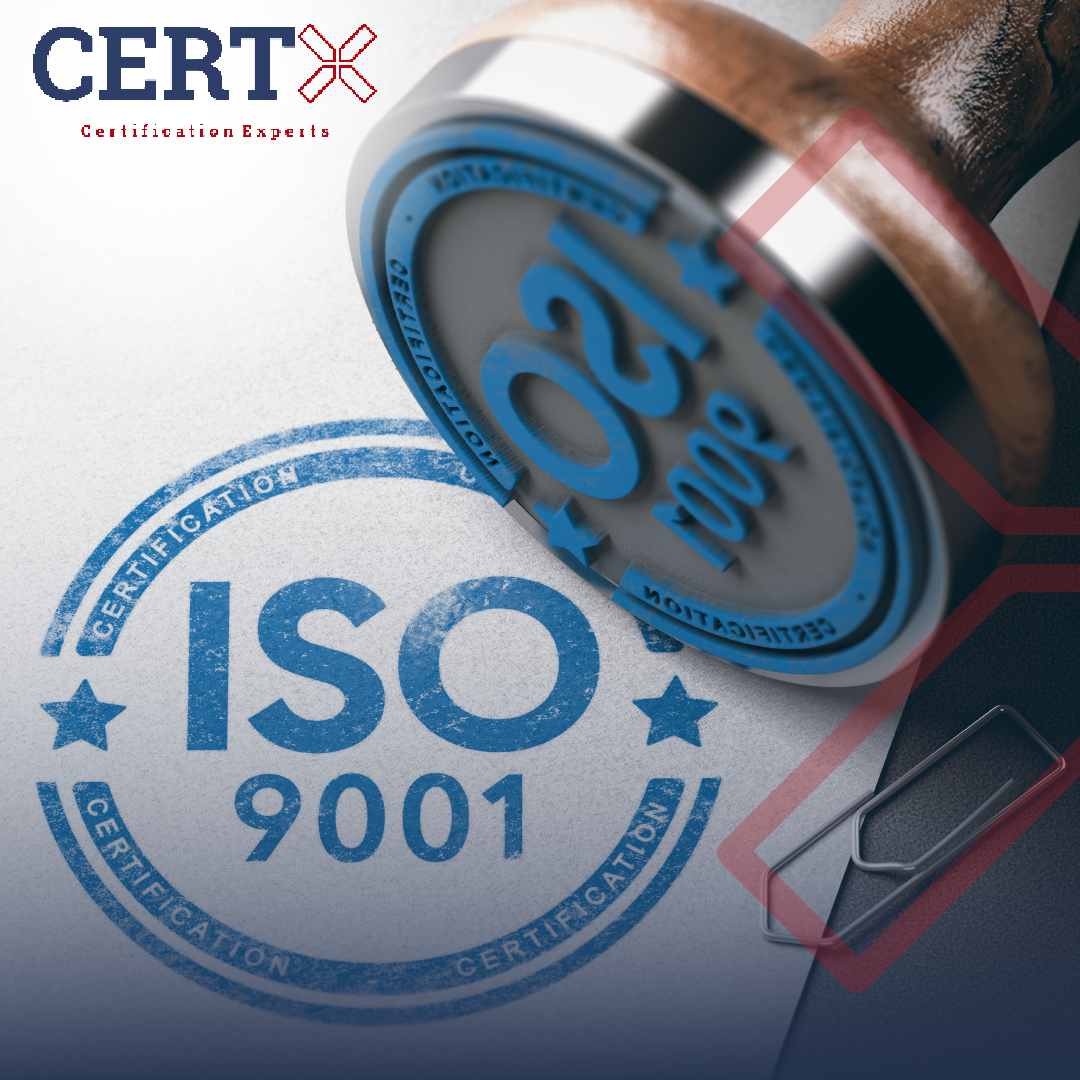

How to use a to improve your business's performance
In the dynamic and competitive landscape of
today's business world, organisations are constantly seeking ways to enhance
their performance, maintain operational efficiency, and meet customer
expectations. One powerful tool that businesses can utilise to achieve these
goals is a management system certification. The ISO 9001 for quality
management certification offers a structured
approach to improving various facets of a business.
In this article, we will explore how leveraging
a management system certification can lead to significant enhancements in your
business's overall performance.
Business Performance Optimisations with the ISO 9001
1.
Enhanced
Operational Efficiency:
Management system certifications provide a framework that
encourages organisations to streamline their processes and enhance operational
efficiency. By adopting best practices outlined in the certification standards,
businesses can optimise workflows, reduce waste, and improve resource utilisation.
This efficiency not only leads to cost savings but also positions the company
to respond more effectively to market demands.
2.
Improved
Quality Management:
For businesses seeking to prioritise and enhance the quality of
their products or services, ISO 9001 certification is a valuable asset. This
standard outlines principles for a robust quality management system (QMS),
ensuring that processes are consistently monitored, measured, and improved. As
a result, organisations can deliver products or services that meet or exceed
customer expectations, fostering customer satisfaction and loyalty.
3.
Market
Credibility and Competitive Advantage:
Management system certifications are internationally recognised
and respected. Achieving certification signals to customers, partners, and
stakeholders that a business is committed to best practices and continuous
improvement. This credibility can open new business opportunities, enhance the
organisation's reputation, and provide a competitive edge in the marketplace.
4.
Continuous
Improvement Culture:
One of the fundamental principles of management system
certifications is the emphasis on continuous improvement. By regularly reviewing
and reassessing processes, organisations can identify areas for enhancement and
implement changes to drive ongoing improvement. This culture of continuous
improvement fosters adaptability, innovation, and resilience in the face of
evolving business challenges.
Conclusion on why you should get ISO 9001 Certified:
Incorporating a management system certification
into your business strategy is a proactive step towards achieving excellence in
various aspects of operations. By embracing the principles outlined in these
standards, businesses can enhance their performance, build trust with
stakeholders, and position themselves for long-term success in a competitive
marketplace.